
Manufacturing materials often seem like “just another procurement item,” but in practice, they are the foundation of the product. They determine how roller shutters and insect screens will look, how they will operate, and how long they will last without extra interventions.
When profiles, guides, slats, and supporting components are chosen well, installation is easier, the system runs more stably and quietly, and the risk of later repairs is lower. When manufacturing materials aren’t chosen properly, issues usually return as minor faults, sticking, noise, a poor finished impression—and what everyone wants to avoid: unnecessary complaints/claims.
Below, we explain what “manufacturing materials” includes, where the quality differences come from, and how to more easily recognize a solution that delivers smoother long-term performance.
What are manufacturing materials and what do they include?
Manufacturing materials are the set of components used to assemble roller shutter and insect screen systems. This most commonly includes:
- Guides (guiding and stability during operation)
- Slats (for roller shutters)
- Bottom/end bars and finishing/finish work
- Supporting elements (small parts that ensure the system runs smoothly and reliably)
It’s important to look at manufacturing materials as a whole. Even when the main parts are good, one mismatched or weaker element often creates operational issues and shortens the system’s lifespan.
“The cheapest mistakes” often end up being the most expensive
In practice, mistakes are rarely made in big decisions—most often they happen through “small savings.” A price difference can seem negligible at first, but later shows up as extra maintenance, more adjustments, and a higher risk of complaints/claims.
That’s why it’s better to choose a solution based on purpose and expectations—not exclusively on the initial price. This applies to choosing roller shutters (aluminum or PVC), but also to profiles and other components that make up the full system. When core components are high-quality and compatible, there’s less improvisation during installation—and a lower chance that “little issues” will appear later and waste time.
If you want to look at options by category, you can find more information on the aluminum blinds and PVC blinds pages..
Why slats and guides are the most critical
If we had to single out two factors that most affect the overall quality of roller shutters and insect screens, they would be slats and guides..
They determine:
- how stable the system is during operation
- how smoothly it slides and how pleasant it is to use
- how neat and precise the final finish looks
With roller shutters, this shows up in stability and the feel when handling. With insect screens, it’s especially quickly noticed in how easily they open/close and how the system seals/sits in place. That’s why it’s important that profiles (for screens), slats (for shutters), and guiding are well-matched to the system type and the expected usage.
For an overview of solutions and types, you can also view the insect screens page.
Insect screen mesh: the detail that’s actually used the most
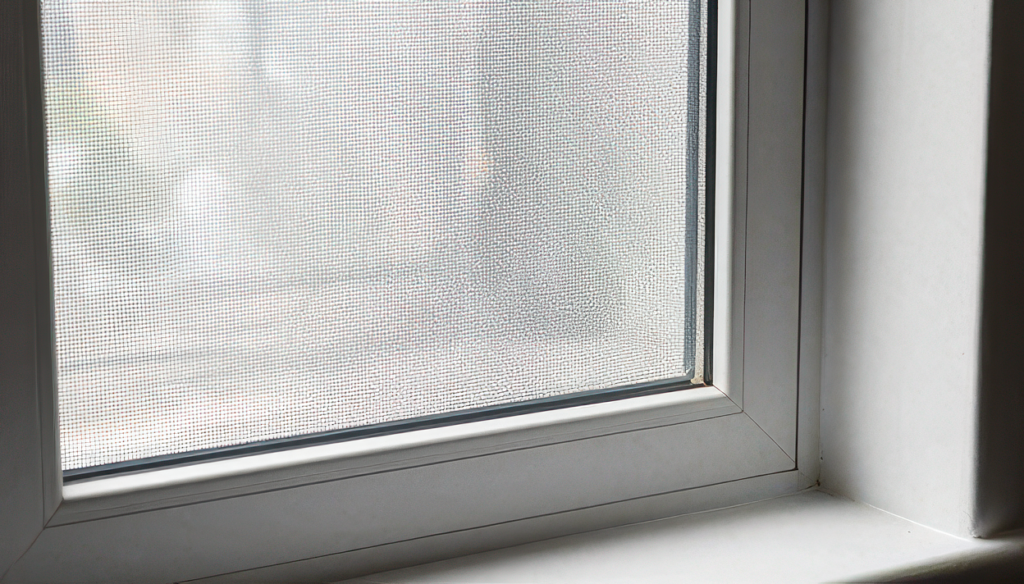
With insect screens, the mesh is the part that’s constantly in use. It’s exposed to touch, cleaning, weather conditions, and everyday opening and closing—so it needs to be reliable and stable.
One commonly used option in practice is fiberglass mesh (glass-fiber mesh), because it offers a good balance of durability and practicality—along with a neat look and a pleasant feel in operation.
The difference between a cheap and a cost-effective solution

Cheap and cost-effective are not the same.
Cheap is what has a lower upfront price.
Cost-effective is what brings fewer problems over time.
A “more expensive” solution can be more cost-effective if it reduces:
- time required for installation and corrections
- follow-up interventions and complaints/claims
- part replacements and reinstallation
- lost appointment slots and extra logistics
- customer dissatisfaction (which affects referrals)
When the manufacturing materials work as they should, projects become more predictable: installation goes faster, the finish looks neater, and the number of returns/call-backs decreases.
A wide selection and logistics as a practical advantage
In practice, it’s a big advantage when you can find multiple solutions and compatible components in one place—because it reduces improvisation, speeds up procurement, and makes standardization across projects easier.
Another important factor is logistics. When delivery is simple and organized, it’s easier to plan work, meet deadlines, and respond quickly when something is needed.
How to recognize quality before buying

Here are practical questions that can quickly help with selection:
- Is the offering stable and available over time?
So that tomorrow you can get the same components without improvisation. - Can you get a complete solution—not just the “main” parts?
When a system is complete and aligned, there’s less chance of surprises during installation. - Is it clear what goes with what?
The most time is lost when mismatched components are combined. - Do logistics make the job easier?
Deadlines, availability, and delivery often matter more than a minimally lower price.
Conclusion
High-quality manufacturing materials are the foundation of a good product. They affect operational stability, the final impression, and the lifespan of roller shutters and insect screens. A good choice means less improvisation, less maintenance, and fewer “we need to come back again” situations.
If you want to compare solutions by category, it is helpful to start with blinds (aluminum and PVC variants) and insect screens, then align the choice with your project and expectations.
FAQ
What counts as manufacturing materials for joinery?
Profiles, guides, slats, bottom/end bars, and supporting elements that make the system complete and functional.
2) Why are profiles and guides so important?
Zato što direktno utiču na stabilnost, preciznost i “mirnoću” rada sistema, kao i na završni utisak.
3) Is it better to choose aluminum or PVC for roller shutters?
It depends on purpose and expectations. The best approach is to choose based on the project, using compatible components.
4) What can an insect screen mesh be made of?
One common option is fiberglass mesh (glass-fiber mesh), thanks to a balance of practicality and durability.
5) How do I know whether a solution is cost-effective and not just cheap?
A cost-effective solution saves time during installation and reduces later interventions—even if the upfront price isn’t the lowest.